The Lab is where ideas are explored, tested, and refined.

While much of Dragon Jamz focuses on chords, charts, theory, and the Hybrid Guitar system, The Lab serves as a place for experimentation and discovery. Here you’ll find instrument modifications, gear reviews, recording projects, media, tuning concepts, creative ideas, and occasional detours into the unexpected.
Some ideas may become future lessons, tools, or resources. Others may simply be interesting observations worth sharing. Either way, The Lab is a space for curiosity, creativity, and the ongoing process of learning.
After all, exploration is often where the best discoveries begin.
One of the most interesting aspects of the HGB6 is that there is no single “correct” way to amplify it. Depending on the venue, ensemble, and musical situation, the instrument can be approached in a variety of ways.
My preferred setup is to run the guitar and bass sides into dedicated amplifiers. I typically use Supro guitar amplifiers for the guitar side and Markbass amplifiers for the bass side. This approach provides the most natural separation between the two voices and delivers the sound I enjoy most.
Line 6 Helix / Stomp
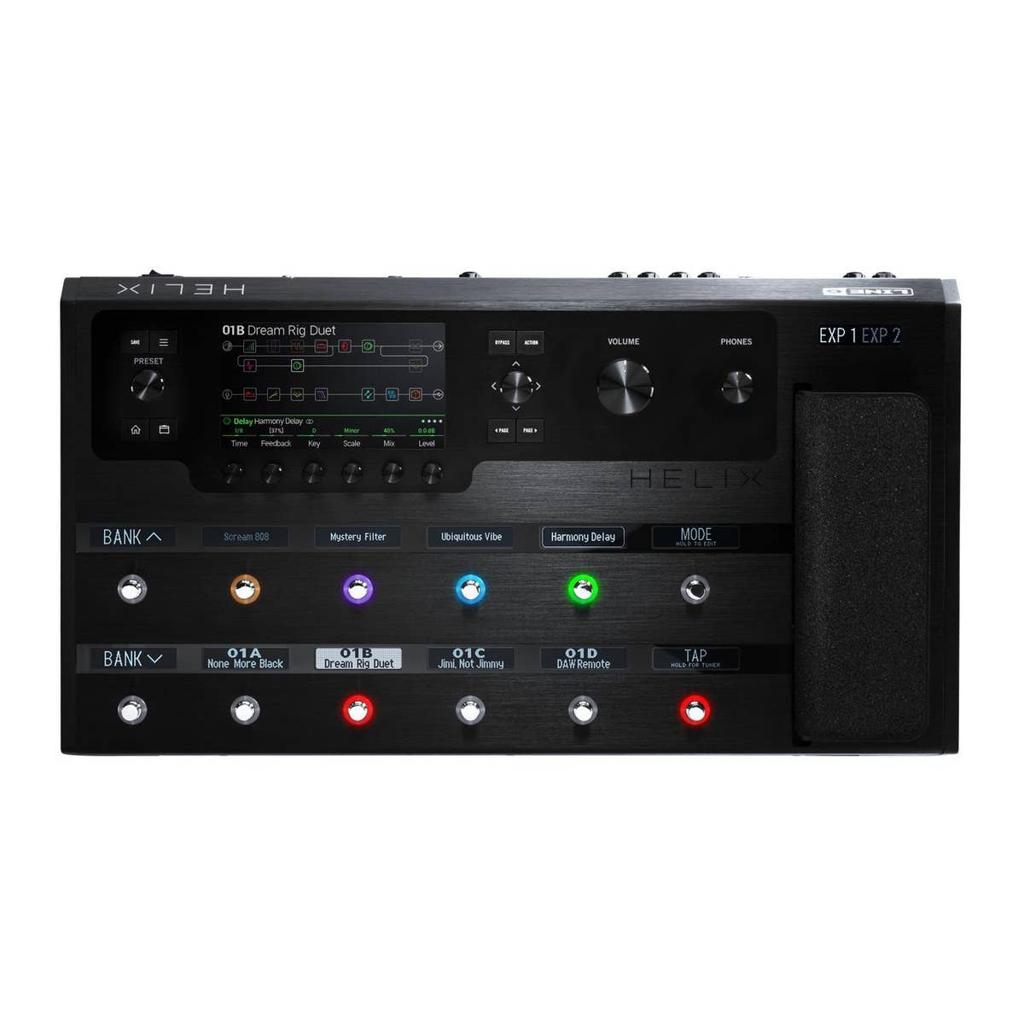
For situations that require a direct setup, I may use a Line 6 Helix or HX Stomp for signal routing, effects processing, and direct outputs to a PA system or powered speakers. While these units offer tremendous flexibility, I generally prefer the feel, interaction, and responsiveness of dedicated amplifiers when practical.
One of the greatest advantages of the Helix platform for Hybrid Guitar applications is its true stereo signal architecture. The Hybrid Guitar naturally occupies both bass and guitar frequency ranges, and the Helix allows those signals to be treated independently within a single preset. Separate signal paths can be created for bass and guitar registers, each with its own amplifier models, cabinet simulations, EQ, compression, and effects processing.
For example, the lower strings can be routed through a bass amp and cabinet simulation while the upper strings are processed through a completely different guitar amp and effects chain. Delays, reverbs, modulation effects, and dynamics processing can be tailored independently to each path, allowing both sides of the instrument to maintain clarity and definition.
These discrete signal paths can then be routed as true stereo outputs to separate power amplifiers, powered speakers, or channels on a mixing console. This approach preserves the unique character of the Hybrid Guitar by allowing the bass and guitar voices to occupy their own sonic space rather than competing through a single amplifier.
For players exploring extended-range and hybrid instruments, this type of routing provides a level of control and flexibility that is difficult to achieve with traditional amplification alone.
Boss EQ-200
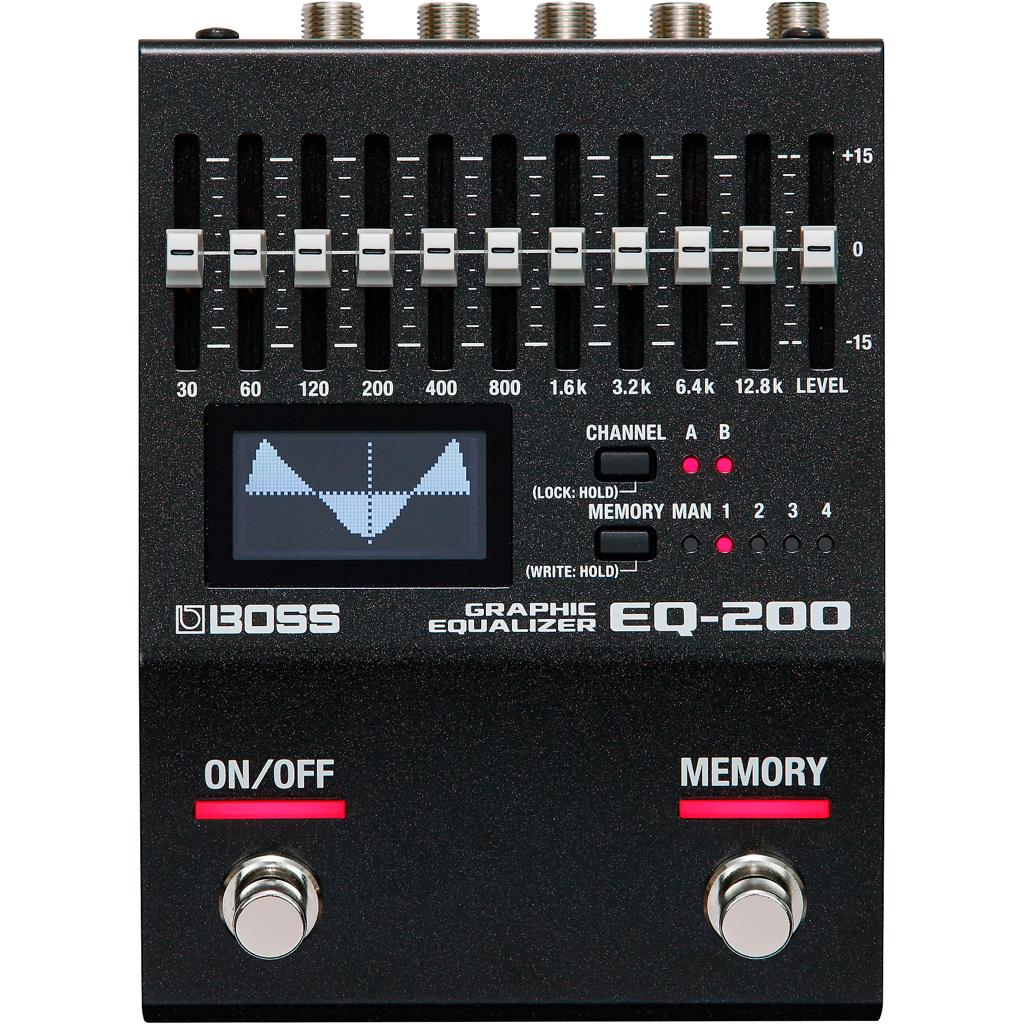
One piece of gear that has proven especially useful in my Hybrid Guitar setup is the Boss EQ-200. Because the HGB6 covers both bass and guitar frequency ranges, balancing the two voices can sometimes be challenging, particularly when running separate amplifiers or stereo signal paths.
The EQ-200 provides a convenient central point for shaping and balancing the overall sound without having to constantly move between amplifiers making adjustments. In many ways, it functions as a master volume and tone-shaping center for the entire rig, allowing quick changes to both the bass and guitar voices from a single location.
Its dual-channel architecture allows independent EQ control of separate signal paths, making it particularly well-suited for hybrid and extended-range instruments. The ability to quickly toggle between Channel A and Channel B makes fine-tuning each side of the instrument fast and intuitive. Combined with the EQ-200’s tactile 10-band slider layout, adjustments can be made in seconds without navigating complicated menus or interrupting the flow of a performance.
The EQ-200 also includes four user-programmable memories, allowing different EQ and level configurations to be stored and recalled instantly. This makes it easy to switch between instruments, venues, practice sessions, recording environments, or different amplifier combinations.
Whether fine-tuning low-end response, taming problem frequencies, adjusting overall volume balance, or helping the bass and guitar registers sit together more naturally, the EQ-200 offers a level of hands-on control that can dramatically improve the overall balance of the instrument. For HGB6 players running multiple amplifiers, stereo rigs, or split signal paths, it can become the control center of the entire system—providing real control, real flexibility, and real adjustments exactly when they’re needed.
Positive Grid Spark Live
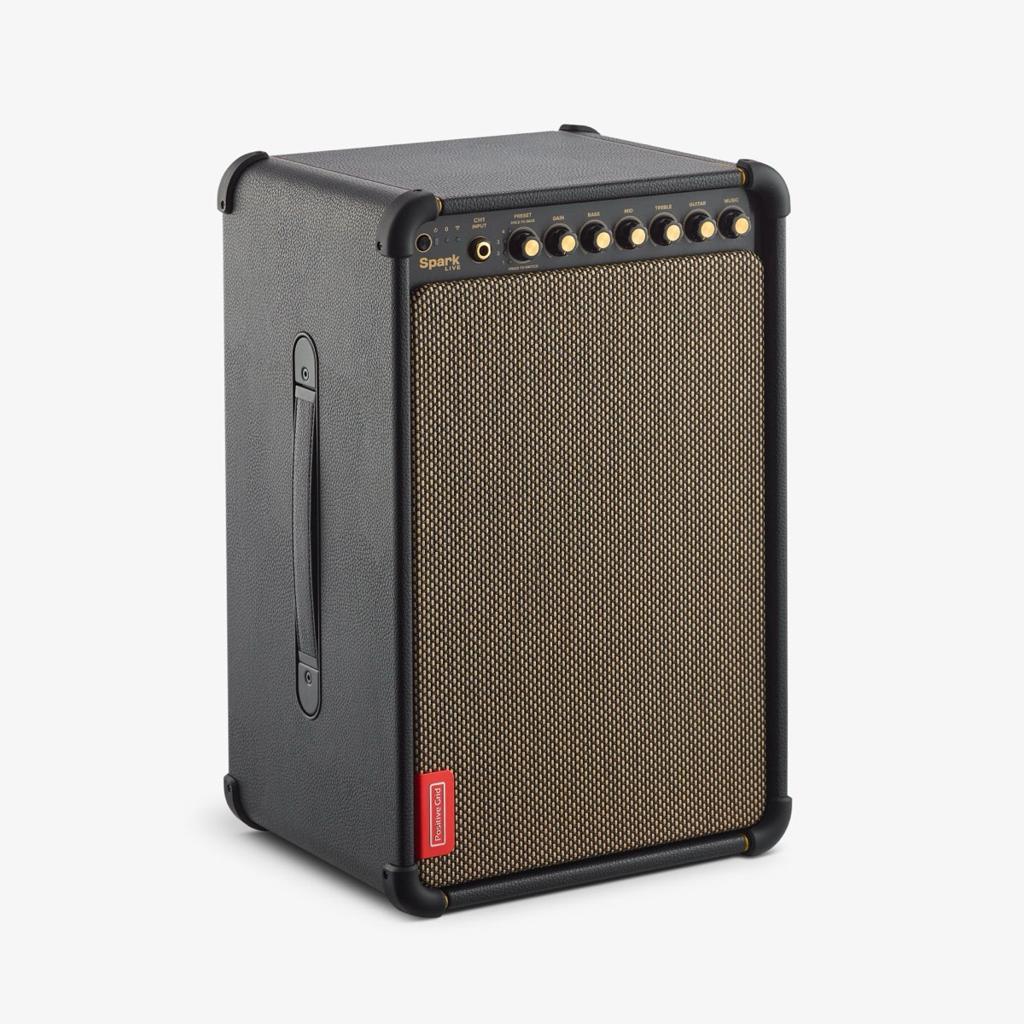
Another standout piece of gear in my HGB6 setup is the Positive Grid Spark LIVE. Its flexible routing options, full-range speaker design, and deep app integration make it surprisingly well suited to the Hybrid Guitar. For practice, rehearsals, small performances, and even some larger setups, it offers an impressive all-in-one solution.
One of the Spark LIVE’s greatest strengths is its companion app. Nearly every aspect of the system can be controlled directly from a phone or tablet, making adjustments quick and intuitive. The mixer and PA controls are particularly well designed, providing easy access to input levels, output routing, EQ, and overall system management without needing to reach behind the amplifier or navigate complex menus.
For Hybrid Guitar applications, I typically dedicate Channel 1 to the guitar side of the instrument and Channel 2 to the bass side. Each channel can be configured independently with its own amp models, cabinet simulations, and effects chain. The amp and effects models sound excellent and provide more than enough flexibility to cover a wide range of tones.
The Spark LIVE also includes eight programmable presets per channel, allowing complete amp, cabinet, and effects configurations to be stored and recalled instantly. This makes it easy to move between different instruments, songs, venues, or performance setups without rebuilding patches from scratch.
Another feature I frequently use is the additional Channels 3 and 4. These inputs are perfect for bringing in keyboards, synthesizers, backing tracks, drum machines, or other instruments. In my setup, I often use these channels to accommodate synth players, effectively turning the Spark LIVE into a compact PA and monitoring solution.
Bluetooth audio streaming is another major advantage. Whether practicing along with recordings, learning songs, or running backing tracks, the Spark LIVE makes it simple to integrate music directly into the system.
For players who need additional volume and coverage, the Spark LIVE can be paired with the Positive Grid Spark CAB. Together they create a surprisingly powerful stereo-capable system that can handle rehearsals, performances, and larger spaces with ease. While the Spark LIVE itself includes battery power options, the Spark CAB requires AC power.
For HGB6 players looking for a portable, flexible, and modern amplification solution, the Spark LIVE offers a unique combination of amp modeling, PA functionality, app-based control, Bluetooth connectivity, and multi-instrument routing that is difficult to match in a single piece of gear.
As with most aspects of the HGB6, amplification is highly personal. Many players develop their own preferred combinations of guitar amps, bass amps, effects, and routing solutions. Part of the instrument’s appeal is the freedom to experiment and discover what works best for your style of playing.
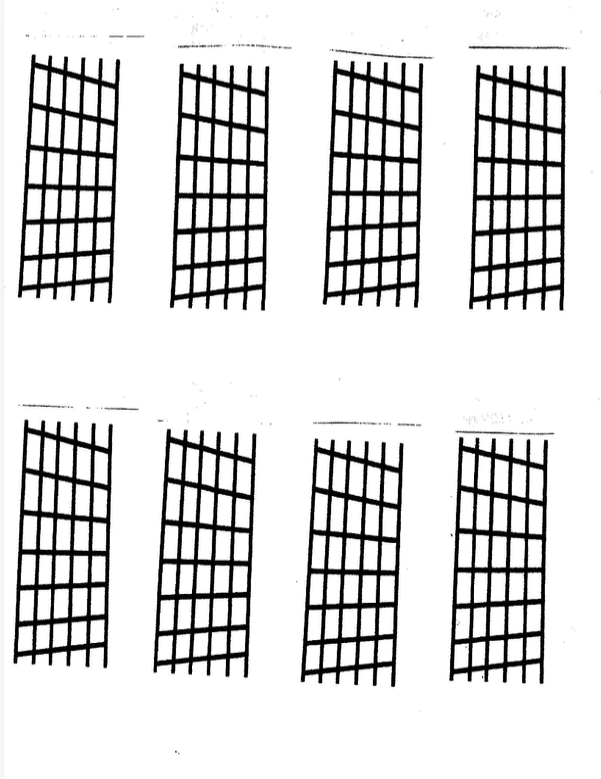
EADadg: A Gateway Tuning to the Hybrid Guitar Concept
Overview
One of the challenges of exploring the Hybrid Guitar concept is that most players do not own a dedicated Hybrid Guitar. While instruments such as the Hybrid Guitars Big 6 provide an ideal platform for combining bass and guitar functions, many musicians are curious about the concept but are not ready to invest in a specialized instrument.
The EADadg tuning was developed as a possible bridge between a standard guitar and the Hybrid Guitar approach.
This tuning preserves the familiar bass strings of a standard guitar while reorganizing the upper strings into a compact chordal register that encourages independent bass and chord playing.
The Tuning
Standard Guitar:
E – A – D – G – B – E
EADadg Tuning:
E – A – D – A – D – G
The lower three strings remain unchanged.
The upper three strings become:
A – D – G
This creates a consistent fourths-based relationship across both the bass and treble sections of the instrument.
Why This Tuning?
Traditional guitar tuning contains a major third between the G and B strings. While this works well for conventional guitar playing, it introduces asymmetry into the fretboard.
In EADadg tuning, the upper three strings are arranged entirely in fourths:
A → D → G
This creates a simpler and more predictable chord layout while encouraging players to think of the instrument as two independent sections:
Bass Register:
E – A – D
Chord Register:
A – D – G
This approach shares some conceptual similarities with the Dragon Jamz HGB6 System, where bass and chord functions are intentionally separated.
Suggested String Gauges
Because the upper strings are tuned higher than standard tuning, lighter gauges are recommended to maintain comfortable playing tension.
Typical Standard Set:
.046 .036 .026 .017 .013 .010
Suggested EADadg Set:
.046 .036 .026 .016 .010 .008
Alternative:
.046 .036 .026 .015 .011 .008
These gauges should be considered a starting point for experimentation. Individual instruments, scale lengths, and playing styles may require adjustment.
Musical Advantages
Potential benefits of EADadg tuning include:
• Simplified chord shapes on the upper strings
• Consistent fourths-based interval structure
• Easier shell voicings
• More intuitive bass-and-chord independence
• Reduced visual complexity on the fretboard
• A practical introduction to Hybrid Guitar concepts
Players interested in fingerstyle, jazz accompaniment, solo performance, and groove-based playing may find the tuning particularly useful.
Relationship to the HGB6 System
The Dragon Jamz Hybrid Guitar Big 6 (HGB6) tuning is:
G – C – F – c – f – a#
The HGB6 system was developed specifically for dedicated Hybrid Guitar instruments and offers a wider range, greater bass authority, and increased separation between bass and chord voices.
The EADadg tuning is not intended to replace the HGB6 system.
Instead, it serves as a gateway tuning that allows standard guitar players to explore many of the same musical concepts without requiring a specialized instrument.
Future Exploration
Areas for future experimentation include:
• Chord dictionaries
• Scale systems
• Jazz standard arrangements
• Fingerstyle groove studies
• Bass-and-comping exercises
• Comparative studies between EADadg and HGB6
As more players experiment with the tuning, additional applications and refinements may emerge.
Dragon Jamz Research Series
Exploring practical pathways into Hybrid Guitar performance and musical independence.

